Hey there, fellow dog lovers! 🐾 So you’ve just brought home an adorable little bundle of joy, huh? Congratulations! Whether they’re a wriggly little furball or a pint-sized pooch with a big personality, it’s safe to say that you’re in for a wild ride filled with wagging tails and sloppy kisses. But let’s be real: puppy parenting can be a bit overwhelming, especially when it comes to training. That’s where our ultimate guide, “Mastering Puppy 101: Fun Tips for Dog Training at Home,” comes in! We’re hear to sprinkle some fun (and a little bit of mischief) into the training process, turning those “oops” moments into “ah-ha!” ones. Get ready to unleash your inner dog whisperer and create a happy, well-behaved companion that you can boast about at the dog park! Grab a treat (for you and your pup) and let’s dive in! 🐶✨
Getting Started: Setting the Right space for Puppy Training
Creating the perfect environment for puppy training isn’t just about having enough space; it’s about crafting a zone where both you and your pup can thrive. First things first, choose an area that’s quiet and free from distractions. This can be a small room or a cozy corner of your living space. Make sure there are no noisy appliances, kids running around, or other pets trying to steal the spotlight. Use soft carpets or mats to cushion your puppy’s paws and reduce their chances of slipping during those energetic training sessions. Having some engaging toys within reach can also help keep their attention focused.
Once you have a dedicated training space, consider adding some visual cues that signal it’s time to learn. A simple way to achieve this is with a colorful training mat or a designated blanket; this helps your puppy associate that area with positive learning experiences. Additionally, setting up a small table for treats, clickers, and other training tools can streamline your sessions. Keep everything organized with a cute storage bin so that you can easily grab what you need, minimizing interruptions. Here’s an easy table to help you visualize essential items you may need:
| item | Purpose |
|---|---|
| Treats | Positive reinforcement |
| Clicker | Marking good behavior |
| Toys | Keeping your pup engaged |
| Leash | controlled training sessions |
Engaging Playtime: Using Games to Teach Commands
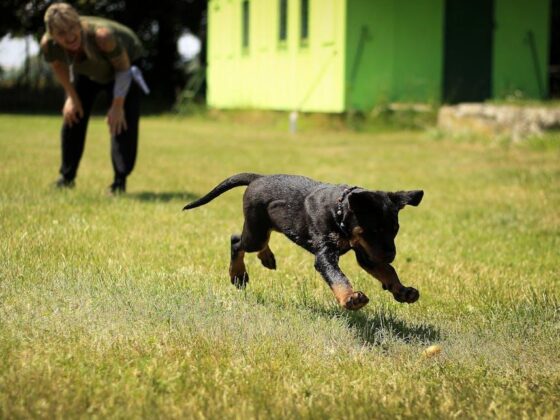
Transforming training sessions into playful adventures can considerably enhance your puppy’s learning experience. Engage your furry friend by introducing fun games that naturally encourage them to learn essential commands. With every game,you’ll not only bond with your puppy but also create positive associations with commands like “sit,” “stay,” and ”come.” Here are a few game ideas you can easily incorporate into your training routine:
- The Hide and Seek Shuffle: hide in your home and call your puppy’s name! Reward them with treats when they find you.
- Treat Toss: Use treats to practice “fetch” while throwing small bits around the yard or living room for them to retrieve.
- Obstacle Course Challenge: Create a mini course using household items and train them to follow commands at each station.
Remember, the key is to keep the atmosphere relaxed and fun.Positive reinforcement is crucial; always reward your pup with treats, praise, or play whenever they successfully follow a command during these games. Incorporating learning into playtime helps develop your puppy’s obedience while together fulfilling their playful nature. For instance, you might even consider a simple scoreboard to keep track of your puppy’s progress, turning every training session into a mini competition:
| Command | Success Rate (%) | Game Used |
|---|---|---|
| Sit | 80 | Treat Toss |
| Stay | 70 | Obstacle Course Challenge |
| Come | 90 | Hide and Seek Shuffle |
Consistency is Key: Establishing Effective Routines
Creating a structured routine is like setting the GPS for your dog’s training journey—without it, you might find yourself wandering aimlessly! Puppies thrive on repetition and predictability, which not only helps them learn commands faster but also fosters a sense of security.To kickstart your training sessions, consider establishing a consistent schedule that includes:
- Feeding Times: Regular meal times can help regulate potty breaks and energy levels.
- Playtime: Mix in some fun activities, like fetch or tug-of-war, to keep their spirits high.
- Training sessions: Short, frequent training sessions (5-10 minutes) can keep your pup engaged without overwhelming them.
- Potty Breaks: Frequent trips outside after meals or play will solidify their understanding of where to do their business.
your patience will pay off as your puppy learns to associate specific times with particular activities. Encourage them with lots of praise and treats when they successfully follow the routine. To help you keep track, you might find it useful to create a simple training log:
| Day | Feeding Time | Training Time | Notes |
|---|---|---|---|
| Monday | 8:00 AM | 10:00 AM | Learned sit! |
| Tuesday | 8:00 AM | 10:00 AM | Struggled with stay. |
| Wednesday | 8:00 AM | 10:00 AM | Grate progress with come! |
Positive Reinforcement: How to Reward Your Pup Like a Pro
Positive reinforcement is the secret sauce to effective dog training, turning your furry friend into a well-behaved companion in no time. To get started, keep in mind that timing is everything! Reward your pup immediately after they perform the desired behavior so they can associate the action with the reward. Here are some reward ideas to keep your pup motivated:
- Treats: Small, tasty morsels are a big hit! Opt for high-value options that will get tails wagging.
- Praise: Your enthusiastic voice and happy face can be the best reward—don’t underestimate the power of love!
- Playtime: Incorporate their favorite game or toy as a reward; nothing beats a fun fetch session!
- Affection: A good scratch behind the ears or a belly rub can make your pup feel special.
To effectively implement a reward system, consider tracking your pup’s progress with a simple table. This can help you visualize what works and refine your approach:
| Behavior | Reward | Notes |
|---|---|---|
| Sit | Small Treat + Praise | Works well in noisy environments. |
| Stay | Playtime with a toy | Best used for short durations initially. |
| Come | Affection + Treat | Practice in a secure area first. |
With these strategies and the right attitude, you’ll not only be training your pup but also strengthening your bond. Remember, every bit of effort counts, and festivity is key—so keep those treats handy and let the fun begin!
Q&A
Q&A: Mastering Puppy 101 – fun Tips for Dog Training at Home!
Q: Why is it significant to start training my puppy at home?
A: Training your puppy at home is like giving them a solid foundation for their future! It helps reinforce good behavior, strengthens your bond, and sets the stage for more advanced training later on. Plus, it’s super convenient — no need to drive to a dog school when you can get cracking right in your living room!
Q: What’s the best time to start training a puppy?
A: The earlier, the better! You can start as soon as you bring your puppy home, usually around 8 weeks of age. Little ones are like sponges — they soak up data quickly and are eager to learn. Just keep your sessions short and sweet, as puppies have the attention span of a goldfish…or maybe even shorter!
Q: What essentials do I need for training at home?
A: Think of your training toolkit like a treasure chest! You’ll need some tasty treats (hot dog pieces work wonders!), a clicker for positive reinforcement, a comfy leash, and plenty of love and patience. Also, don’t forget toys — they keep training fun and engaging!
Q: How can I make training more fun for my puppy?
A: Incorporate playtime into your training! Use fun games like hide-and-seek or fetch while teaching commands. You can also create a mini obstacle course in your backyard or living room to make things exciting.Remember, a happy pup learns best, so keep that tail wagging!
Q: What are some basic commands I shoudl teach my puppy?
A: Start with the essentials! “Sit,” “stay,” “come,” and “down” are great foundational commands. Once your puppy has the hang of those, you can move on to fun tricks like “roll over” or “high five.” And don’t forget “leave it” — that’s a lifesaver for keeping them from eating something they shouldn’t!
Q: How do I deal with my puppy’s accidents in the house?
A: Accidents happen, and it’s totally normal! The key is to stay calm. Clean up without fussing, and avoid scolding them — that just confuses your pup! Instead, focus on proactive measures, like taking them out frequently and rewarding them for doing their business outside. Soon enough, those accidents will be a thing of the past!
Q: How long should my training sessions be?
A: Think short and snappy! aim for about 5-10 minutes for puppies, as they can lose interest quickly. You can have multiple mini-sessions throughout the day to keep them engaged without overwhelming them.Sprinkle in playtime and cuddles to keep things light and enjoyable!
Q: What if my puppy isn’t responding to commands?
A: No worries! Every puppy has their own pace, just like humans. Double-check that you’re using high-value treats and plenty of praise. If they’re distracted,consider changing your training environment or trying at a different time of day when they’re more focused. Sometimes, a little patience is all you need!
Q: Can I train my puppy using only positive reinforcement?
A: Absolutely! Positive reinforcement is the gold standard for training. It’s all about rewarding good behavior, so your puppy learns what you like. This builds a trusting relationship and creates a happy learning environment. Plus,it makes training way more enjoyable for both of you!
Q: Any final tips for newbie puppy parents?
A: Just have fun! Enjoy the process,celebrate small wins,and don’t forget to give lots of cuddles. Training is not just about commands; it’s about building a lifelong bond with your furry friend.Keep your vibe positive, and remember you’re both learning together! Happy training! 🐾✨
The Way Forward
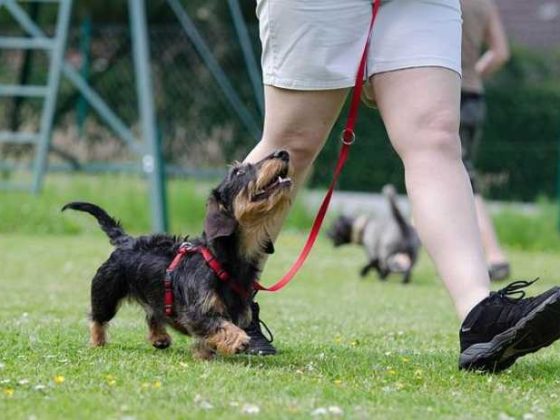
And there you have it, folks! With these fun and simple tips, you’re well on your way to becoming a puppy training pro right from the comfort of your home. Remember,patience is key,and don’t forget to sprinkle in some playtime and snuggles along the way—it’s all part of the adventure! whether your pup is perfecting their sit or just figuring out how to walk on a leash without turning it into a tug-of-war,every little milestone is worth celebrating.
So grab those treats,channel your inner dog whisperer,and get ready for some tail-wagging fun! We’d love to hear about your training journey,so drop us a comment with your experiences,tips,or even those hilarious puppy fails (we’ve all been there!). Until next time, happy training, and give that adorable furball of yours an extra scratch behind the ears from us! 🐾❤️