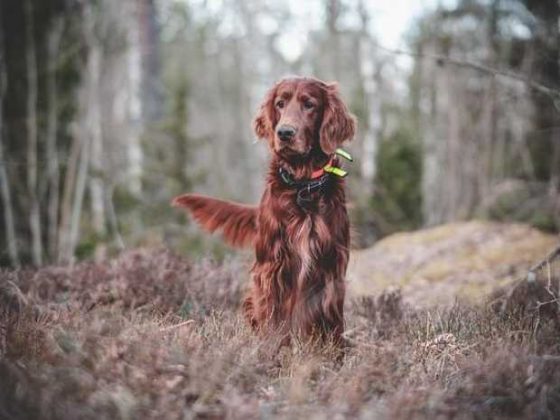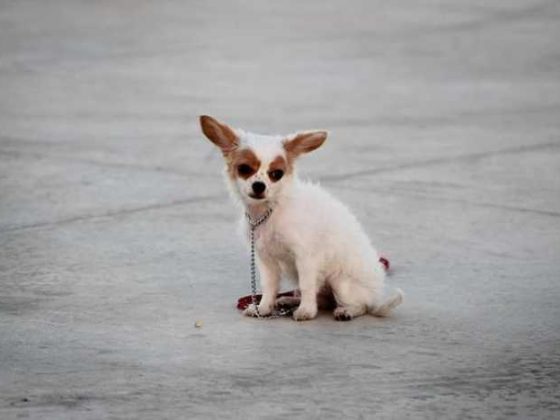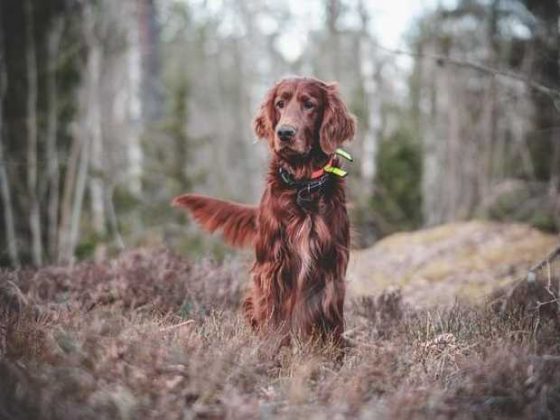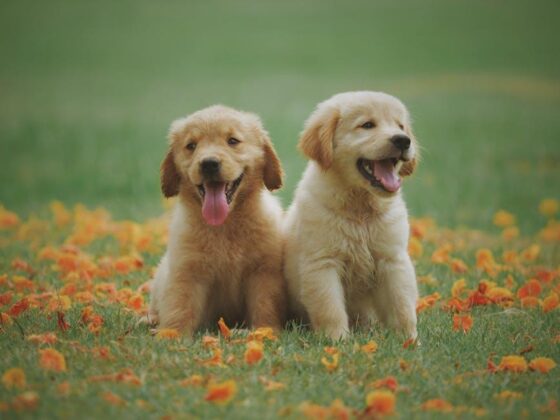
Hey there, fellow dog lovers! 🐾 Are you ready to transform your furry friend from a cuddly companion into a well-behaved superstar? Whether you’re a new pup parent or you’ve got a seasoned pooch who could use a little refresher, we’ve got you covered. Training your dog at home doesn’t have to be a chore—in fact, it can be a fantastic bonding experience filled with laughter and tail wags.In this article, we’ll dive into some fun, engaging tips that will have your pup sitting, staying, and rolling over in no time. Get ready to unleash your inner dog trainer and discover how to make learning enjoyable for both you and your four-legged buddy. Let’s turn those training sessions into tail-wagging adventures! 🎉🐶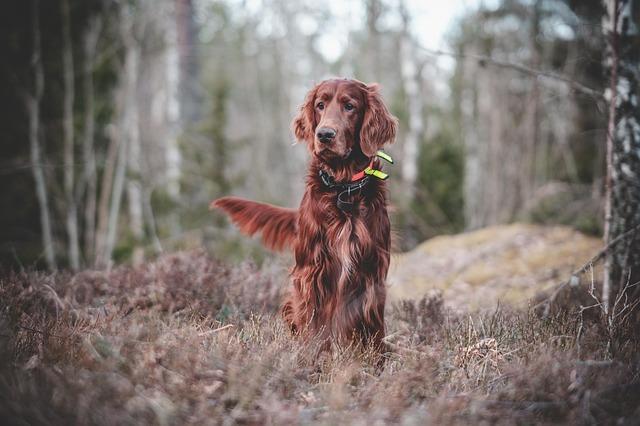
Unlocking Effective Techniques for Training Your Dog at Home
Training your dog at home can be a rewarding and exciting journey, especially when you incorporate fun techniques that resonate with your furry friend. One effective approach is to use positive reinforcement, rewarding good behavior with treats, praise, or playtime. This creates a positive association with learning and encourages your pup to repeat those behaviors. Consider using clicker training, where you use a clicker device as a marker to indicate the exact moment your dog does something right, followed by a reward. It’s not only effective but also enhances dialogue between you and your dog. Make training sessions short and sweet—about 5 to 10 minutes—to keep your pup engaged and eager to learn.
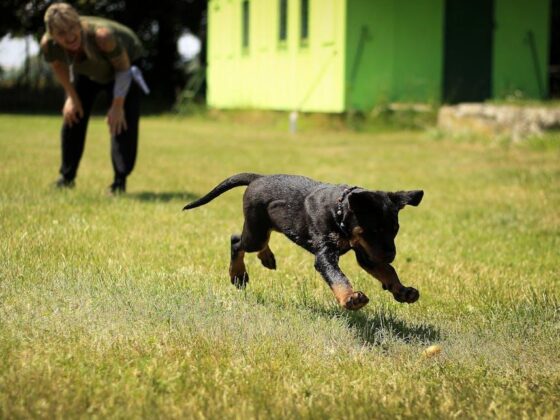
Incorporating games into your training routine can make all the difference! Activities like hide and seek, where you ask your dog to stay while you hide somewhere in the house, can enhance both their listening skills and their desire to bond with you. another fun game is the treat toss: throw a treat and encourage your dog to fetch it, reinforcing their recall skills in a playful way. Don’t forget to create a consistent schedule for practice, focusing on a few commands per session, and gradually increasing complexity as your dog masters each skill. Below is a simple training schedule to consider:
| Day | Focus Command | Training Game |
|---|---|---|
| Monday | Sit | Treat toss |
| Wednesday | Stay | Hide and Seek |
| Friday | Come | fetch |
creating a Fun and Engaging Learning Environment for Your Pup
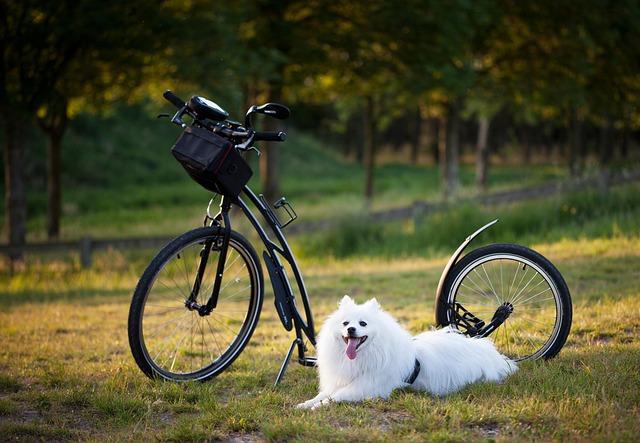
Transforming your home into a lively training hub can substantially enhance your pup’s learning experience. Start by creating a dedicated training space that’s free from distractions and equipped with engaging toys and rewards. Incorporate various learning tools such as treat dispensers, clickers, and interactive puzzles to keep your furry friend excited about their lessons. Additionally, establishing a regular routine where training is seamlessly integrated into playtime or mealtime can encourage your pup to associate learning with fun. Remember to keep training sessions short—around 5 to 10 minutes—so your pup remains attentive and eager for more!
Engagement doesn’t have to be limited to toys alone; consider the power of socialization in your dog’s learning. Engage with friends who have well-trained dogs for playdates, or organize puppy classes where your fur baby can interact with others. Use positive reinforcement techniques, like praises and treats, to celebrate every achievement, no matter how small. Here are a few creative activities you can try:
- Scent Games: Hide treats around the house and let your pup sniff them out!
- Obstacle Courses: Set up cushions and furniture for a fun agility course.
- Interactive Training: teach tricks with the help of videos to follow along.
Building a Strong Bond Through Positive Reinforcement
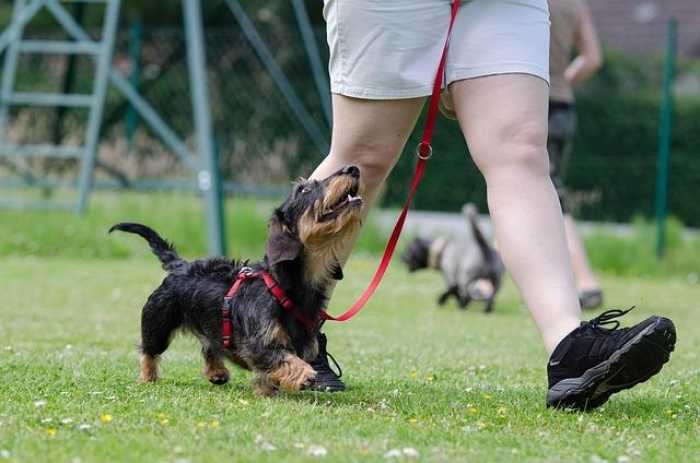
Establishing a connection with your furry friend is a journey filled with fun and exploration. Positive reinforcement is the key to crafting that bond, making training a rewarding and enjoyable experience for both of you. Instead of punishing bad behavior, focus on celebrating the good—this encourages your pup to repeat those behaviors. When your dog sits on command or successfully performs a trick, shower them with praise, treats, or their favourite toy. This simple act of recognizing their efforts not only boosts their confidence but also strengthens your relationship.
Here are some effective ways to incorporate positive reinforcement in your training sessions:
- Consistency is crucial: Make sure to reward your pup every time they perform the desired behavior.
- Mix it up: Use a variety of rewards, such as treats, toys, or verbal praise, to keep your dog engaged.
- Timing matters: Deliver rewards instantly after the behavior to help your dog make the connection.
to further illustrate the workflow of positive reinforcement, here’s a simple table outlining the process:
| Behavior | Action | Reward |
|---|---|---|
| Sit | Pup sits on command | Treat & praise |
| Stay | Pup stays in position | Favorite toy |
| Come | Pup comes when called | Affection & treats |
By focusing on rewarding positive actions, you’re not only teaching your pup obedience but also nurturing a loving environment where they feel safe and appreciated. Every training session becomes a bonding experience filled with joy and trust!
Common Dog Training Mistakes and How to Avoid Them
Training your dog can be a rewarding experience, but it’s easy to fall into some common pitfalls that can slow down progress. One major mistake is using inconsistent commands. When you change up the words or phrases for commands, your pup gets confused, leading to frustration for both of you. Stick with a consistent set of commands and maintain uniformity in hand signals, ensuring everyone in the household is on the same page.Another mistake often made is neglecting to reward good behavior.Dogs thrive on positive reinforcement. If you only reward your pooch sporadically or not at all, they may not associate the desired actions with the treats or praise, making training less effective.
Another common error is focusing too much on punishment rather than praise. Modern dog training emphasizes positive reinforcement techniques, so using harsh methods can harm the bond you share with your furry friend and create anxiety. Instead,redirect unwanted behaviors by offering rewards for good behaviors. Additionally, many owners overlook the importance of training duration and frequency. Short, fun training sessions are much more effective than long, tedious practices. Aim for 5-10 minute sessions several times a day rather than a single long session. This keeps your dog engaged and eager to learn, ultimately leading to better results!
Q&A
Q&A: mastering Dog Training at Home – Fun Tips for Pup Success!
Q1: can I really train my dog at home? Isn’t it better to go to a professional?
A1: Absolutely, you can train your dog at home! Sure, professional trainers have their magic, but with consistency, patience, and a little creativity, you can totally work wonders with your pup right in your living room.Plus, training at home can be less stressful for both you and your dog. Just make it fun and engaging!
Q2: What are some basic commands I should start with?
A2: Great question! Start with the classics – “Sit,” “Stay,” “Come,” and “Down.” These commands are like the building blocks of good manners. Once your pooch has those down pat, you can work on more advanced tricks. Just remember to sprinkle in some praise or treats to keep it exciting!
Q3: How can I make training sessions fun for my dog?
A3: Fun is key! Mix things up by incorporating playtime into training. Use toys, set up mini obstacle courses, or try training in different environments. You can even use games like hide-and-seek where your dog has to find you or a treat. Keep it light, and always end on a positive note!
Q4: I have a puppy; how do I keep their attention during training?
A4: Puppies are like little balls of energy with the attention span of a goldfish! Keep training sessions short and sweet—about 5 to 10 minutes is perfect. Use high-value treats (think smelly and tasty) to keep their focus.And let’s be real, who wouldn’t pay attention for a piece of bacon?
Q5: What’s the best way to handle it when my dog isn’t responding to commands?
A5: First off, don’t panic! Sometimes, dogs just have “selective hearing.” Make sure you’re in an environment with minimal distractions. try using more enticing treats or toys to grab their interest. If they’re still not getting it, go back a step and work on the basics before moving forward.
Q6: how important is consistency in dog training?
A6: Consistency is like the backbone of dog training! Set clear rules and stick to them. If “off” means not jumping on the couch, then that applies all the time—not just when you feel like it! This helps your furry friend understand what’s expected, making training way easier!
Q7: Are there any training tools you recommend?
A7: For some basic tools, I’d say get yourself a good leash, some tasty treats, and lots of love! A clicker can also be super helpful for marking good behaviors. Just remember that the most critically important tool is YOU—your energy and attitude will set the tone for training!
Q8: Any last tips for a newbie dog trainer?
A8: Enjoy the process! Training is a bonding journey for you and your pup. Don’t get frustrated—everyone has their off days, including dogs! Celebrate small victories and have fun with it. And remember,it’s all about patience,practice,and a whole lot of tail wags. Happy training! 🐾
There you have it! Let’s get those pups trained up at home with some fun, laughter, and plenty of tail wags. you’ve got this! 🐶✨
Future Outlook
And there you have it, fellow dog lovers! With these fun tips at your fingertips, you’re well on your way to mastering dog training right in the comfort of your home. Remember, it’s all about patience, consistency, and, most importantly, having a blast with your furry friend.Whether you’re teaching them to roll over or just making sure they don’t chew on your favorite pair of shoes, every little success counts!
Don’t forget that every dog is different, so adapt these techniques to fit your pup’s personality and needs. And when in doubt, grab some treats and a toy—who can resist a little playtime? Keep up the great work, embrace the challenges, and most of all, enjoy every moment spent with your four-legged family member. Happy training, and may your home be filled with wagging tails and happy howls! 🐾💕
Got any tips of your own or funny training stories to share? Drop them in the comments below—we’d love to hear about your adventures in pup parenting! Until next time, keep those tails wagging!