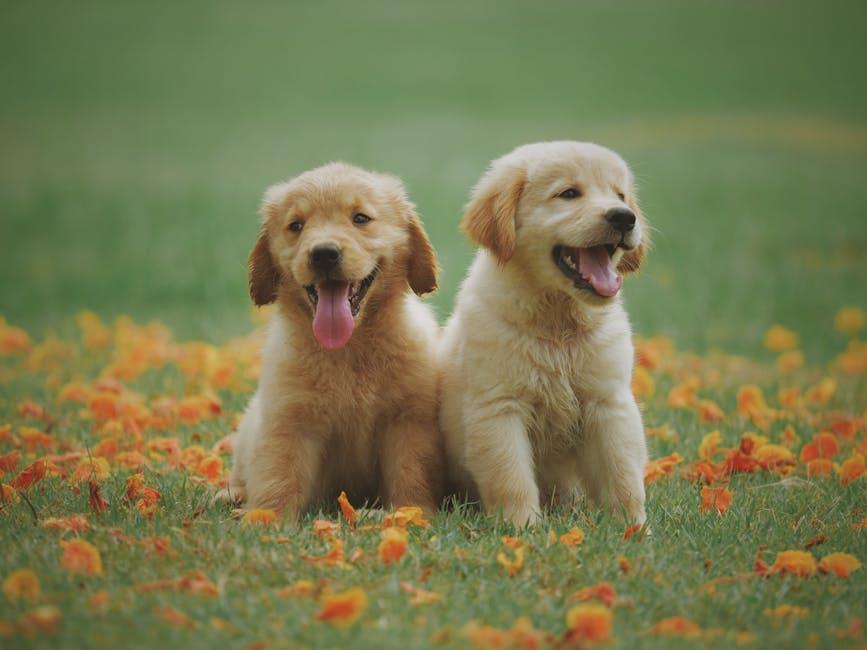
Fetch the Basics: Fun Dog Training Tips for Newbies!
Hey there, fellow dog lovers! 🐾 so, you’ve just welcomed a furry bundle of joy into your home, and now you’re wondering how to turn that playful pup into a well-mannered companion? you’re in the right place! Training your dog doesn’t have to feel like a chore—it can be a super fun bonding experience for both of you! Whether you’ve got a mischievous mutt or a lovable lapdog, we’re about to dive into some playful and easy-to-follow training tips that will have you wagging your own tail with excitement. Get ready to fetch some great advice, as we’re here to make your dog training journey as enjoyable as a game of fetch! Let’s unleash those pawsitive vibes and get started! 🐶🎉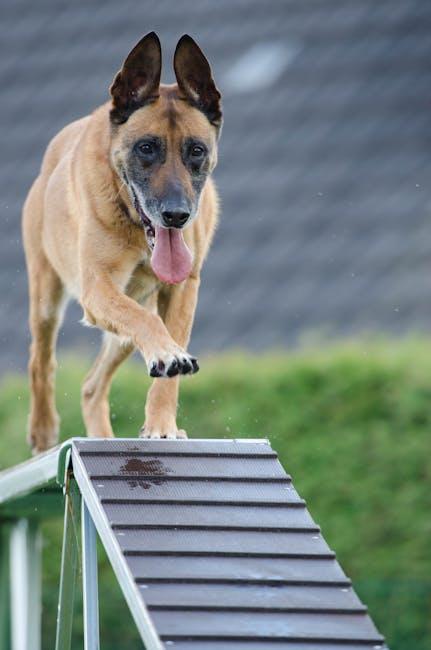
Getting Started with the basics of Dog Training
Starting with the fundamentals of dog training can feel overwhelming, especially for new pet parents.However, the key to success lies in creating a solid foundation based on consistency, patience, and a whole lot of love. Here are some essential tips to help you and your furry friend get off on the right paw:
- Establish a Routine: Dogs thrive on structure, so set a regular schedule for training sessions, feeding, and potty breaks.
- Use Positive reinforcement: Reward good behaviour with treats, praise, or playtime. This not only encourages your dog but also strengthens the bond between you.
- Keep Sessions short and Fun: Limit training to 5-10 minutes, especially for puppies.Incorporate play to keep your dog engaged!
- Be Patient: Remember, every dog learns at their own pace. Celebrate small victories!
To gauge your progress and keep motivation high, consider tracking your dog’s progress. You can create a simple table to monitor the behaviors you’re working on:
| Behavior | Status | Reward |
|---|---|---|
| Sit | Learning | Freeze-dried liver treats |
| Stay | Progressing | cheese cubes |
| Come | Mastered | fetch time! |
Tracking progress not only keeps you motivated but also highlights the great moments you share with your pet. With these basics in your training toolbox, you’re well on your way to building a loving and obedient companion!
Understanding Your Pups Behavior for Better Training
Training your pup isn’t just about teaching commands; it’s also about understanding their unique behavior. Dogs communicate primarily through body language and sounds, so being observant can help you decipher what your furry friend is trying to say. Consider the following signs:
- <strong.Wagging Tail: A happy dog usually has a wagging tail, but pay attention to the speed and direction—fast and high can mean excitement!
- <strong.Ears Position: Ears perked up show interest, while ears back can indicate fear or submission.
- <strong.Barking: Different barks can mean different things; a high-pitched bark may indicate playfulness, while a low bark might signal a warning.
Creating a successful training routine also requires understanding the connection between your pup’s behavior and their environment. dogs often react to stimuli differently depending on their surroundings. Some factors to consider include:
| environment | Effect on behavior |
|---|---|
| Busy Streets | Higher anxiety, potential for distraction. |
| Quiet Parks | More relaxed and focused on training. |
| Home with Family | May exhibit playful and social behaviors. |
By tuning into these behaviors and environmental cues, you can adapt your training methods to be more effective, making the experience enjoyable for both you and your pup.

Fun and Effective Command Techniques for Beginners
Training your pup can be a thrilling adventure, especially when you sprinkle in some fun techniques that make the learning process enjoyable for both of you. Start by using positive reinforcement—praise, treats, or a favorite toy—to reward your dog for exhibiting the desired behavior. This encourages them to repeat those actions! Try incorporating games like tug-of-war or hide-and-seek to turn your training sessions into playful experiences. When your dog performs a command correctly, celebrate the moment with a mini party to keep their spirits high!
Consistency is key, but that doesn’t mean you can’t shake things up! Creating a routine helps your dog understand what to expect, but feel free to mix in new tricks or commands to keep them engaged. Consider using visual aids, like colored cards, that correspond to commands like “Sit” or “Stay.” You can also set up a simple chart to track progress, making it easy to spot improvements. here’s a speedy reference table to help you remember some beginner commands:
| Command | Action | Fun Tip |
|---|---|---|
| Sit | Dog sits on their bottom. | Use treats held above their head to guide them! |
| Stay | Dog remains in place. | Start with short intervals and gradually increase time! |
| Come | Dog approaches you. | Call them while running away to make it a fun chase! |

Creating a Positive Learning Environment for Your Dog
Creating a fun and engaging atmosphere is key when it comes to training your furry friend! A positive learning environment can help your dog feel relaxed and excited about learning new tricks. Here are some ways to foster that environment:
- Use positive reinforcement: Always reward your dog for good behavior, whether it’s with treats, praise, or playtime.
- Keep sessions short: Dogs have short attention spans, so aim for 5 to 10-minute training sessions that are packed with fun!
- Be patient: Remember, training takes time. Stay calm and encouraging, and your dog will feel more agreeable.
To help maintain a positive vibe, consider the setting where your training takes place. A distraction-free zone can make all the difference! Think about creating a solid routine that your dog can rely on. Here’s a simple structure you can follow:
| Time of Day | Activity |
|---|---|
| Morning | Short training session with basic commands |
| Afternoon | Playtime with favorite toys as a reward |
| Evening | Practice fun tricks and socialize with other dogs |
By combining a joyful approach with a structured routine, you’re well on your way to making training an enjoyable experience for your dog. They’ll look forward to learning and bonding time with you every day!
Q&A
Q&A: Fetch the Basics – Fun Dog Training Tips for Newbies!
Q: What’s the best age to start training my puppy?
A: the sooner, the better! Puppies are like little sponges, soaking up everything around them. Start training as early as 8 weeks old, but keep those sessions short and sweet – around 5-10 minutes at a time. They have short attention spans, just like us during a boring PowerPoint presentation!
Q: What basic commands should I teach my dog frist?
A: Start with the classics! “Sit,” “stay,” “come,” and “down” are the holy grail of puppy training. Not only do these commands help with day-to-day life, but they also come in handy when you’re trying to impress your friends. Bonus points if you can teach your pup to do tricks like shake or roll over later on!
Q: How can I make training more fun for my dog?
A: Great question! Mix things up! Use treats, toys, or even your voice to keep them engaged. Incorporate playtime into training – for example, throw a ball once they master “sit.” Make them feel like superheroes for following commands by showering them with praise and rewards. It’s all about turning those training sessions into a tail-wagging good time!
Q: What if my dog isn’t interested in treats?
A: Not all dogs are foodies! Some pups are more motivated by play or affection. If treats don’t tickle their taste buds, try using their favorite toy or some good ol’ belly rubs as a reward. Just remember, every pooch is unique, so finding what makes them perk up might take a little experimenting!
Q: How do I correct bad behavior without being harsh?
A: Ah, the age-old question! Instead of scolding, redirect their focus. As an example, if they’re chewing on your favorite shoes, gently take the shoe away and give them a toy instead. Use a firm but friendly voice to say “no” or “ah-ah.” Remember,positive reinforcement is the way to go! Catch them being good and reward that behavior,and you’ll see the bad habits fall away.
Q: How long should I train my dog each day?
A: Aim for around 15-30 minutes a day, broken into shorter sessions. The key is consistency! Your dog will be more receptive during shorter, upbeat sessions rather than hour-long marathons that could leave both of you sleepy.And let’s be real – no one wants to endure a long training session that feels like watching paint dry!
Q: What’s the best way to keep my dog engaged during training?
A: Keep it light, fun, and flexible! if you notice your pup’s eyes glazing over, switch to a different command, play a quick game, or toss in a couple of treats. Variety is the spice of life! and don’t forget to mix in playtime; for many dogs, that’s their ultimate reward.
Q: How do I know if my dog is learning?
A: Look for signs of understanding – your dog should start responding faster to your commands. If they sit when you ask without much prompting or come running when they hear “treat,” you’re on the right track! Just be patient and remember, every dog learns at their own pace. Celebrate those little victories, even if they’re just tiny wags of the tail!
Q: Any final tips for a newbie dog trainer?
A: Enjoy the journey! Training should be fun and build a bond between you and your pup. Stay patient, keep your sessions positive, and don’t forget to celebrate progress, no matter how small. And remember – a tired dog is a happy dog, so a little playtime before training can work wonders. Happy training! 🐾
Final Thoughts
Wrapping It Up: Fetching Fun with Your Furry Friend!
Congratulations, new dog parent! Armed with these fun training tips, you’re well on your way to becoming the ultimate canine whisperer. Remember, training doesn’t have to be a chore—it’s a chance to bond, laugh, and create memories with your pup. Whether you’re teaching basic commands or working on those quirky tricks, patience and positivity are your best friends.
So grab those treats,your favorite toys,and a heap of enthusiasm,because every little session is a new chance for both of you to shine. Embrace the journey—your dog will love you for it! Got any training tales or tips of your own? Drop them in the comments below! Until next time, happy training, and give your pup a belly rub for us! 🐾✨